


Shoppers across the U.S. and Canada are walking down the dairy aisle and finding something unexpected — empty shelves where the cottage cheese should be. Or they find one or two brands, marked up noticeably from what they used to cost.
This is not a milk crisis. There is no broad supply chain breakdown. What is happening is more specific: demand for cottage cheese has grown much faster than producers can handle, and the gap between what people want and what factories can make is showing up in stores right now.
This article covers why the shortage is happening, which brands and regions are most affected, how much prices have climbed, and what you can do while stock stays tight.
What Is Actually Happening With Cottage Cheese Right Now
To be clear, this is not a total nationwide wipeout of cottage cheese. The situation is uneven. Some stores have plenty of stock. Others are consistently bare. It depends heavily on your region and which brand you are looking for.
Premium and organic brands like Good Culture and Organic Valley tend to be the hardest to find. Store-brand cottage cheese is often still available, though sometimes at higher prices than before. Cities like Montreal and areas in Ontario, including Kitchener and Windsor, have seen persistent limited stock reported in local news.
What makes this more serious than a typical one-week disruption is that it has been building since 2023 and is still ongoing into 2026. Tasting Table lists cottage cheese as one of several grocery items expected to be harder to find throughout 2026. This is a structural supply issue, not a passing blip.
How Social Media and the Protein Trend Created a Supply Problem
Around 2023, cottage cheese started appearing constantly on TikTok and Instagram. Influencers were blending it into sauces, layering it on toast, mixing it into pasta, and building “high-protein breakfasts” around it. The content spread fast.
The driving force behind much of this was a trend called “protein maxxing” — the practice of deliberately maximizing protein intake to support muscle growth and metabolism. Cottage cheese, which delivers roughly 14 grams of protein per serving, became a go-to food for people following this approach.
What started as a social media moment kept growing. By 2025 and into 2026, demand had not dropped off the way a typical viral trend does. Wellness culture, clean-label eating, and the broader shift toward high-protein diets have all reinforced the demand. The trend matured into a mainstream habit for a large number of consumers, and supply simply has not kept up.
Australia saw the same pattern, with local reporting describing cottage cheese as the latest product where a viral fitness trend cleared shelves — part of a broader cycle where social media accelerates demand for specific items faster than any supply chain can respond.
Why Producers Cannot Simply Make More Cottage Cheese
The shortage is not caused by a lack of milk. Experts and industry sources are consistent on this point. The problem is production capacity — the physical ability to make, package, and ship enough cottage cheese to meet the current level of demand.
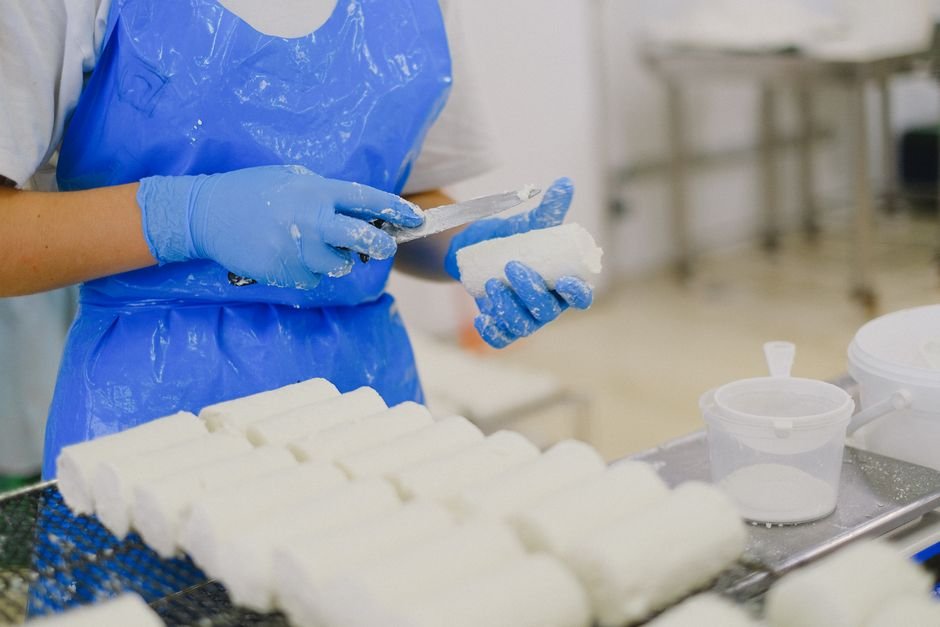
Cottage cheese production involves culturing milk, forming curds, draining whey, and packaging everything in refrigerated containers that need cold-chain distribution from factory to store. Each step requires specialized equipment. You cannot just flip a switch and double output overnight.
Expanding a production line or building new capacity takes months at minimum, often longer. Dairy companies also have to weigh whether the demand spike is permanent or a trend that could fade. Some producers have been cautious about major capital investment for exactly that reason, leading to a measured ramp-up rather than an aggressive one.
Good Culture, one of the most talked-about brands in this shortage, has publicly acknowledged that demand exceeded its production capabilities. The brand noted that this leads to unpredictable out-of-stock patterns and week-to-week inconsistency across retail locations. Because Good Culture avoids stabilizers in its products, the brand also mentioned that production strain can occasionally result in slight taste variation — a detail that frustrated some loyal customers further.
Price Increases and Regional Differences Worth Knowing
Beyond availability, the price of cottage cheese has climbed significantly — especially in Canada.
According to reporting from CBC News and CTV News Kitchener, average national cottage cheese prices in Canada have risen approximately 60% since 2020. A tub that cost around CAD $3 in 2020 now runs closer to CAD $5 in many areas. Some regions have seen even steeper increases. A food economist quoted in CTV’s coverage estimated that demand surged by as much as 30%, frequently resulting in empty shelves.
In the U.S., the price situation is less uniform. Premium and organic brands carry higher price tags, and limited stock makes comparison shopping harder. Store-brand options are generally still available at lower price points, making them a practical fallback for budget-conscious shoppers.
Israel experienced a separate shortage driven by different causes. A technical failure at Tnuva’s Alon Tavor production facility, compounded by holiday production slowdowns during Shavuot and Eid al-Fitr, caused temporary shortages of cottage cheese and related dairy products. That situation resolved relatively quickly as the plant came back online — an example of how a supply disruption driven by a technical problem can clear up much faster than one driven by structural demand imbalance.
The comparison is useful. North America’s shortage is harder to resolve quickly precisely because the underlying cause — sustained demand growth — does not have a simple technical fix.
A Note on Brand Scrutiny and Consumer Frustration
Some consumers are not just frustrated — they are skeptical. The New York Times reported in 2026 that some shoppers have linked Good Culture’s supply problems to its recent private equity acquisition, raising concerns about whether profit-driven decisions are affecting production choices. It is worth noting that no verified evidence supports deliberate supply manipulation. The more straightforward explanation, backed by multiple industry sources, is that demand genuinely outpaced production capacity.
Still, the frustration reflects something real. When a food brand becomes widely trusted, goes through an ownership change, and then becomes hard to find, consumers notice. The shortage has fed a broader conversation about how health trends interact with food system incentives — and who benefits when demand spikes for a specific product.
Coverage from AllBizDaily and other business-focused outlets has noted that this pattern — a social media health trend straining a specific product’s supply chain — is not unique to cottage cheese. Similar dynamics played out with sriracha and cream cheese in earlier years.
What Shoppers Can Do While Stock Is Limited
If you are having trouble finding cottage cheese, a few practical strategies can help.
- Check multiple stores. Availability varies significantly by location and week. A store that was out on Tuesday may have restocked by Friday.
- Be flexible on brand and fat content. If your usual brand is gone, a 2% or 4% store-brand version may be sitting right next to the empty space where your preferred option was.
- Shop during off-peak hours. Early morning restocking windows mean shelves are often fuller in the first few hours a store is open.
- Use store apps or subscribe-and-save options. Some retailers allow you to set alerts or schedule recurring orders on dairy items, which can reduce the chances of missing a restock.
Substitutes That Actually Work
If you cannot find cottage cheese — or the price has pushed it out of your budget — several substitutes work well depending on what you are making.
- Ricotta: The closest match for texture in most cooked or blended recipes. Works well in lasagna, pasta, dips, and baked dishes. Add a small splash of milk if you need it looser.
- Greek yogurt: Tangier and smoother, but a good protein swap in dressings, breakfast bowls, and dips. Mix with a little ricotta if you want something closer to cottage cheese’s body.
- Skyr or quark: High-protein European-style dairy options with a thicker texture. Both work well in place of cottage cheese in recipes where you want richness without much tang.
- Eggs, lentils, tuna, or tofu: If you are mainly after the protein rather than the dairy texture, these options are often cheaper and easier to find right now.
Cottage cheese is a solid high-protein food, but it is not irreplaceable from a nutrition standpoint. Beans, peas, eggs, and canned fish all offer comparable protein at lower cost and with fewer supply headaches at the moment.
How Long Will This Last?
That depends on two things: how fast producers expand capacity, and whether demand levels off.
Industry sources suggest that as new production capacity comes online and more consumers shift to alternative protein sources, the supply gap should gradually narrow. But there is no clear timeline, and some outlets predict the shortage will persist through 2026.
If social media moves on to the next trending food, demand may ease before new capacity is fully built — which could eventually lead to overproduction and lower prices. That kind of swing is common after a trend-driven shortage.
For now, the most useful approach is to stay flexible. The cottage cheese shortage is real, but it is not permanent, and workarounds exist. Understanding why it is happening makes it easier to shop around it.
Read Also:
