


Chicken is one of the most consumed proteins in the world. Yet in recent years, shoppers and restaurant owners across multiple countries have faced empty shelves, rising prices, and unreliable supply — often with little explanation beyond a vague headline about a “shortage.”
The reality is more nuanced than most headlines suggest. The causes differ by region, by product type, and by timing. This article breaks down what is actually driving chicken shortages, how they differ from egg shortages, and what consumers and businesses can reasonably expect going forward.
Chicken Shortage vs. Egg Shortage — Why the Difference Matters
One of the most common sources of confusion is the term “chicken shortage” itself. It can refer to two very different problems: a shortage of chicken meat (wings, breasts, tenders) or a shortage of eggs. These products come from overlapping but distinct supply chains.
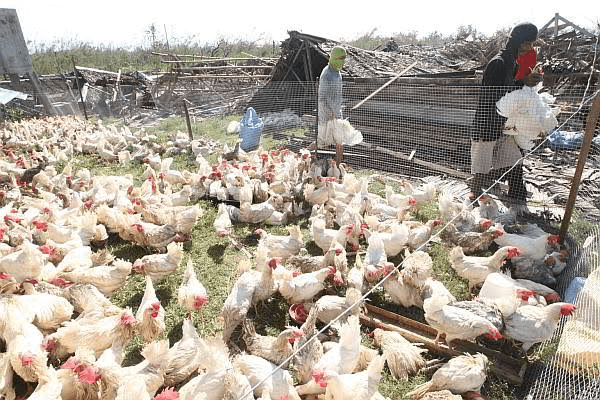
Egg shortages are most directly tied to avian flu outbreaks. When flocks of laying hens are infected, they must be culled in large numbers to stop the spread. That removes egg-producing birds from the system for months at a time.
Chicken meat shortages, on the other hand, tend to stem from processing plant disruptions, labor problems, breeding failures, and rising input costs. These are separate issues from what happens on an egg farm.
Importantly, a shortage of eggs does not automatically cause a shortage of chicken meat. U.S. experts have stated clearly that despite severe egg supply constraints, they do not currently anticipate a broad shortage of broiler chickens (the type raised for meat). Consumer panic-buying can still create localized pressure on both products, but the underlying supply chains are different.
The Main Causes Behind Chicken Meat Shortages
When chicken meat does become scarce, several factors are usually at play — often more than one at the same time.
Supply Chain and Processing Disruptions
Getting chicken from a farm to a grocery shelf involves hatcheries, farms, processing plants, cold storage, and transport. A breakdown at any point can slow the entire system. COVID-19 accelerated labor shortages inside meatpacking and processing facilities, and those disruptions took time to resolve.
Breeding Failures
One documented example from the U.S. in 2021 illustrates how an upstream decision can ripple through the supply chain. A major supplier switched to a new rooster line intended to improve meat quality. The problem: those roosters fertilized fewer eggs than expected. Hatch rates dropped, fewer chicks entered the system, and chicken meat supply fell months later — not because of disease or weather, but because of a single breeding decision made earlier in the cycle.
Weather and Climate Events
The 2021 Texas winter storms knocked out power to processing plants and disrupted livestock shipments across a wide region. Birds could not be processed on schedule, cold storage failed in some facilities, and output temporarily fell. Events like this are not predictable, but they show how quickly regional weather can translate into a national supply dip.
Rising Costs of Feed, Fuel, and Energy
Feed — primarily corn and wheat — is one of the largest costs in poultry production. When feed prices rise, as they did following supply disruptions tied to global commodity markets and the war in Ukraine, producers face a difficult choice: absorb losses or reduce flock sizes. Many choose the latter, which means less chicken entering the supply chain over time.
In the UK, producers reportedly cut chicken production by up to 10% because soaring feed and energy costs made full-scale production financially unviable. Without sufficient government energy support, some operations simply scaled back rather than operate at a loss.
How Avian Flu Fits Into the Picture
Bird flu gets significant media attention, and for eggs, that attention is warranted. In the U.S., recent avian influenza outbreaks reduced egg supply by roughly 7 to 10%, contributing to price increases of 45 to 65% in some markets. The path back to normal requires outbreaks to recede and replacement hens to outnumber the birds that were culled — a process measured in months, not weeks.
For chicken meat, avian flu plays a more variable role. It is a contributing factor in some regions but is rarely the sole driver of meat shortages.
In Australia, current outbreaks have concentrated heavily on egg farms. Only one meat farm was reported to be affected, and no widespread chicken meat shortage was confirmed. In the UK, avian flu has compounded already strained production economics, adding pressure to an industry already dealing with high feed and energy costs.
Policy responses include expanded biosecurity protocols, enhanced disease surveillance, and trade adjustments to compensate for domestic supply gaps. Some countries are also reviewing import options to buffer against future outbreaks.
How the Shortage Plays Out Differently by Region
Chicken shortages are not a single, uniform global event. The experience varies significantly depending on where you are.
United States
The 2021 U.S. chicken shortage affected restaurants more visibly than grocery stores. Family-owned restaurants reported difficulty securing consistent supplies of wings, tenders, and breasts. Some removed popular items from menus. Others raised prices or reduced portion sizes to manage costs. The causes — a failed rooster breeding program, COVID-related plant disruptions, and the Texas winter storms — came together at the same time, amplifying the impact.
As of early 2025, the focus has shifted to eggs. Bird flu has driven egg prices sharply higher, but U.S. experts are not particularly concerned about a broad broiler shortage at this time. One analyst noted that while unexpected events are always possible, the current signals do not point toward a widespread chicken meat crisis.
United Kingdom
The UK has faced pressure from multiple directions simultaneously. Avian flu outbreaks, high energy prices, rising feed costs, and constrained retailer pricing have combined to squeeze producers. The result has been visible gaps on supermarket shelves — including roast chickens — and warnings from within the industry that production cuts could deepen if input costs are not addressed. Calls for stronger government support on energy pricing for poultry producers have grown louder.
Australia
Australia’s most recent shortages are primarily concentrated in eggs. Avian flu outbreaks in southeastern Australia have pushed egg farms to cull large numbers of birds, leading to purchase limits in some retailers. Chicken meat has been largely unaffected at the broad level, though one industry notice warned of higher prices due to elevated mortality rates at a major breeder. The Australian Chicken Meat Federation, however, denied that a widespread supply problem existed.
Guyana
Smaller markets can be just as vulnerable as large ones, if not more so. In Guyana, a combination of rising domestic demand, persistent disease challenges, and logistical problems with imports from Brazil and Suriname contributed to a noticeable chicken shortage. Supermarket prices rose around 5%, and availability tightened. This case illustrates how countries that depend on imports face added exposure when international logistics are disrupted.
What This Means for Consumers and Businesses
For grocery shoppers, the most immediate effects are price increases and occasional gaps on shelves — particularly for popular cuts like wings or breasts. Egg buyers in affected areas have encountered purchase limits and significantly higher prices.
For restaurants and foodservice operators, the challenge is more complex. Wholesale price swings and unreliable delivery schedules make menu planning difficult. Smaller, independent operators tend to feel these disruptions more sharply than large chains with centralized procurement and contract pricing.
Businesses that rely on chicken as a core menu item or product ingredient may benefit from building more flexibility into their sourcing — considering alternative cuts, diversifying suppliers, or adjusting product offerings based on seasonal availability.
For a broader look at how supply chain pressures are affecting businesses across sectors, AllBizDaily covers these developments regularly with a focus on practical business implications.
Are Shortages Temporary or a Longer-Term Pattern?
The honest answer is: it depends on the cause and the region.
The 2021 U.S. chicken meat shortage was largely tied to specific, correctable problems — a rooster breeding issue, plant disruptions, and unusual weather. Those issues did ease over time. But the underlying conditions that make shortages possible — climate volatility, disease risk, global commodity price swings, labor availability — have not gone away.
Egg shortages tied to avian flu will persist until outbreaks recede and replacement flocks are rebuilt. That is a months-long process, and it depends on factors that are difficult to predict, including whether migratory bird patterns continue to spread the virus.
Feed prices remain elevated in many markets due to ongoing geopolitical pressures. Energy costs in Europe continue to affect production economics. These are not short-term anomalies — they represent structural pressures that make future volatility likely, even if a constant state of shortage is not inevitable.
Practical Steps for Consumers and Operators
While individual consumers cannot control supply chains, a few practical approaches can help manage the impact of shortages:
- Be flexible with cuts. Thighs and drumsticks are often less affected by shortages than wings or breasts, and they are typically less expensive.
- Watch for substitutions. During tight supply periods, other proteins — pork, turkey, legumes — can fill the gap nutritionally and economically.
- Distinguish between local and national shortages. A shortage in one city or region does not always mean the same problem exists nationwide.
- Read headlines carefully. A story about an egg shortage is not the same as a story about a chicken meat shortage, even if the same terms appear.
For businesses, maintaining supplier relationships, tracking commodity price trends, and building modest inventory buffers can reduce exposure to sudden disruptions.
Read Also:
