


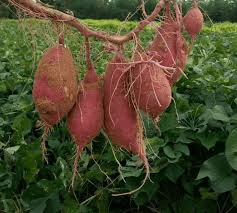
Sweet potatoes are among the most widely grown root crops in the world. Yet consumers in several markets have recently faced empty shelves, higher prices, and trade alerts warning of tight supply. These aren’t isolated incidents — they point to real vulnerabilities in how sweet potatoes are grown, traded, and distributed.
This article explains how sweet potato shortages develop, which regions have been affected, what drives supply disruptions, and what consumers and businesses can realistically expect going forward.
How Sweet Potato Supply Actually Works
Global sweet potato production is large but heavily concentrated. China alone accounts for roughly 55% of total world output, with Asia and Africa together producing over 90% of the global supply. These numbers sound reassuring — until you look at how distribution actually works.
Most of that production is consumed locally or regionally. This means that export-reliant markets — particularly in Europe and small island nations — depend on a very narrow set of suppliers. If one key exporter has a bad season, downstream markets feel it quickly.
Seasonality adds another layer of risk. Sweet potatoes have limited storage lifespans compared to some other root crops. A single poor harvest can create visible supply gaps months later, even when broader global production looks stable on paper.
It also helps to understand that sweet potatoes serve two very different purposes depending on where they’re sold. In developing economies, they function as a food security staple — a reliable calorie source for millions of households. In wealthier markets, they’re largely treated as a specialty or premium vegetable. These two roles create very different supply chains, each with its own vulnerabilities.
What Causes a Sweet Potato Shortage
Shortages rarely have a single cause. They tend to emerge when several problems happen at once.
Weather Events
Weather is the most common trigger. Flooding, drought, and prolonged heat can reduce yields, damage crop quality, and complicate post-harvest storage. A wet season might mean more disease pressure and shorter shelf life. A dry one might reduce overall volume at harvest.
Crop Disease and Planting Material Quality
Disease and pest pressure can quietly shrink effective supply even when planted acreage looks adequate. Poor-quality planting material is a documented risk factor. If farmers start a season with compromised slips or vines, the resulting crop may be weak, lower-yielding, or more vulnerable to disease — regardless of how well the rest of the growing season goes.
Farmer Planting Decisions
Farmers respond to price signals from the previous season. A year of strong prices tends to encourage more planting the following year. A glut year — where prices fall sharply — can lead to under-planting, which sets up tighter supply down the road. This cycle is common across many agricultural commodities, and sweet potatoes are no exception.
Trade and Logistics Constraints
In import-dependent markets, trade dynamics matter enormously. If a key exporting country experiences a weaker season, downstream buyers feel the effect — even if global production totals remain high. Shipping delays, export restrictions, or quality issues at origin can all narrow what actually reaches the consumer.
These factors rarely operate in isolation. Most shortages reflect a combination of weather, disease, acreage shifts, and logistical constraints unfolding at the same time.
Recent Shortages — Three Regional Examples
Looking at specific cases helps illustrate how shortages actually unfold in practice.
Barbados (2024–2026)
Barbados experienced a documented sweet potato crisis in 2024 that significantly reduced local supply and affected both consumers and food businesses. The causes included disease pressure and issues with planting material quality — problems that don’t always get as much attention as weather events but can be just as damaging.
By 2026, agricultural officials reported a rebound. Recovery was supported by the introduction of new sweet potato varieties, promotion of clean planting material, and improved field and post-harvest sanitation practices. The Barbados case is a useful example of how targeted agronomic support — rather than simply waiting out a bad year — can accelerate recovery in a small economy.
Europe and Egypt (2025–2026)
European traders reported “enormous scarcity” on the sweet potato market during this period, driven by limited stocks and strong consumer demand. This is a telling example of how import-reliant markets experience supply pressure even when global production isn’t dramatically lower.
European markets depend significantly on exporters like Egypt to fill seasonal supply gaps. The 2025/2026 Egyptian export season was closely watched as a key indicator for regional availability and pricing. When an exporter of that scale has a variable season — in terms of timing, quality, or volume — the effects ripple through to retail shelves across multiple countries.
Australia — A Comparable Case
Australia’s frozen chip shortage offers a useful parallel. Flooding and sustained wet weather damaged conventional potato crops, prompting supermarkets to impose purchase limits on frozen potato products. This case involves regular potatoes, not sweet potatoes, but the mechanics are directly comparable.
Weather shocks hit yields. Processing capacity tightens. Retailers limit quantities. Food service businesses adjust their menus. These are the same steps a sweet potato shortage would follow at the retail level — and they tend to happen faster than most consumers expect.
Sweet Potato Shortages vs. General Potato Shortages
One common source of confusion is the overlap between sweet potato shortages and general potato shortages in the news. These are different crops with different growing conditions, supply chains, and trade dynamics.
Sweet potatoes and conventional potatoes are both root crops, but they’re grown in different regions, harvested on different schedules, and processed through separate supply chains. A shortage affecting frozen french fries in Australia — driven by wet weather damaging conventional potato crops — has no direct connection to sweet potato availability.
Similarly, when European potato market analysts discuss “rebalancing” in 2026, they’re primarily referring to conventional potato acreage and storage dynamics. These trends may run parallel to sweet potato market conditions, but they don’t directly determine what happens to sweet potato supply.
When reading about potato shortages, it’s worth checking which crop is actually being discussed. The causes and remedies often differ, as do the affected regions and supply chains.
How Markets and Farmers Are Responding
Across the regions experiencing tighter supply, several responses are taking shape.
In Barbados, the agricultural response focused on varietal improvement and better crop management. Officials actively promoted clean planting material and proper sanitation in fields and post-harvest handling facilities. These practical steps reduced disease risk and helped stabilize yields going into the 2026 season.
In Egypt, exporters have been closely managing season timing and quality expectations ahead of the 2025/2026 campaign. European buyers, aware of the tight market, have been monitoring developments with considerable attention to both volume and quality grades.
In broader potato markets, analysts have noted a trend toward cautious rebalancing — where growers, processors, and traders are trying to avoid both shortage and oversupply. This kind of market discipline, while imperfect, reflects an industry that has learned from recent volatility.
Price signals are also doing their job. Wholesale root crop prices have risen noticeably in some markets during periods of tightness, which — while unwelcome for buyers — does tend to incentivize expanded planting in the following season.
What Consumers and Businesses Can Expect
The evidence points toward cautious improvement in several affected markets, not a worsening global crisis. Barbados has reported a rebound. Parts of Latin America have seen improving crop quality. Egyptian export volumes remain an important variable for European markets, but the season is progressing with active planning.
That said, the underlying vulnerabilities haven’t disappeared. Sweet potato supply remains sensitive to weather extremes, disease pressure, and the decisions of a relatively small number of major exporters. Localized shortages in the future are likely — the question is where and when, not whether.
For consumers, the most practical approach during periods of tightness is flexibility. Other root vegetables — cassava, pumpkin, conventional potatoes — can substitute in many recipes. Frozen formats, where available, may offer more consistent access than fresh when supply is constrained.
For food businesses and procurement teams, building relationships with multiple suppliers and monitoring export-season reports from key producing regions can reduce exposure to sudden availability shifts. Publications like AllBizDaily track market developments that affect business operations, including agricultural supply chain shifts of this kind.
Final Thoughts
Sweet potato shortages are real, but they’re also regional and temporary by nature. Global production is substantial. The challenge lies in distribution, trade dependency, seasonal timing, and the compounding effects of weather and disease in specific markets.
Understanding how the supply chain works — and where its weakest points are — helps put news about scarcity in proper context. Shortages in Europe or small island economies don’t mean the world is running out of sweet potatoes. They mean that specific links in a complex chain are under pressure, and that pressure takes time, planning, and good agronomic practice to resolve.
The markets that have recovered fastest — like Barbados — did so through targeted action, not simply by waiting. That’s the clearest signal available about what works when supply tightens.
Read Also:
