


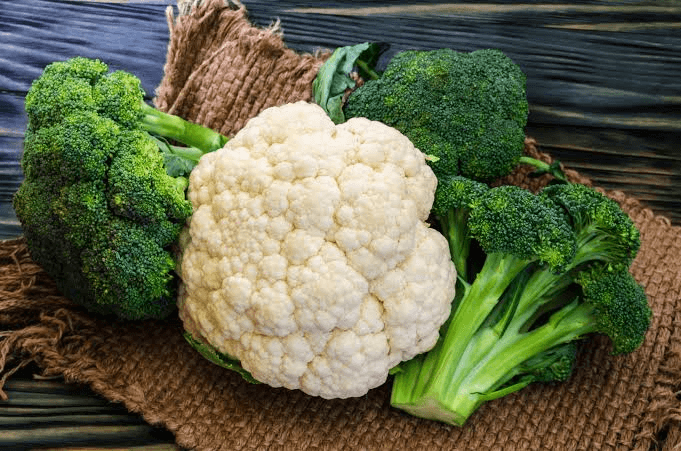
Shoppers across the UK and Europe have been noticing something unusual at their local supermarkets — thinner broccoli selections, higher prices, and in some cases, limits on how many heads you can buy. This is not a coincidence. It is a pattern that points to a recurring, largely weather-driven supply problem with real consequences for both retailers and consumers.
This article explains why broccoli shortages happen, which regions are currently affected, how long disruptions typically last, and what the industry is doing to reduce supply risk in the future.
What a Broccoli Shortage Actually Means at the Store Level
When you hear the term “broccoli shortage,” it is easy to picture completely empty shelves. In practice, that is rarely the case. A shortage typically means constrained supply — and the signs show up in more subtle ways.
Shoppers are more likely to notice higher prices, smaller heads, reduced shelf quantities, or purchase limits at checkout. UK supermarkets have previously rationed broccoli during periods of tight supply from southern European growing regions, as documented during a notable 2017 supply squeeze.
A useful way to think about it: a broccoli shortage is less like a drought and more like a traffic jam. The product still exists, but weather events, harvest timing, and transport constraints slow everything down. Supply tightens, prices adjust, and retailers manage what they have more carefully.
It is also important not to assume that a local shortage reflects a global collapse in broccoli supply. Most shortages are regional — affecting specific markets while others continue operating normally.
Why Spain Sits at the Center of Europe’s Broccoli Supply
Spain is one of the primary sources of broccoli and cauliflower for the UK and the broader European market. When conditions in Spain deteriorate, the effects ripple outward quickly — because importing countries have very few short-term alternatives.
Recent reports from FreshPlaza and AGF indicate that Spain has been experiencing a shortage affecting both broccoli and cauliflower. The disruption could last at least a month, though that figure is a projection based on current conditions, not a guaranteed timeline.
This level of geographic concentration is a structural vulnerability. When a single dominant growing region faces poor conditions, the rest of the supply chain feels it. Countries that rely heavily on Spanish imports are exposed every time growing conditions in that region turn unfavorable — and that happens more often than many people realize.
How Weather and Water Stress Reduce Both Yield and Quality
Broccoli is a sensitive crop. It does not handle heat or water scarcity well, and the consequences of a bad growing period go beyond simply having less of it on the shelf.
During heatwave conditions, broccoli yields in affected growing areas can drop by more than 50 percent. BBC reporting from 2026 highlighted this clearly, citing severe yield reductions among UK growers in Herefordshire after a period of intense heat and low water availability.
Water stress does not just reduce the quantity of what is harvested — it also degrades quality. A significant portion of what farmers do manage to bring in may not meet retail standards, which means even less reaches supermarket shelves. Smaller yields plus higher rejection rates equals a sharper supply drop than most people expect.
This is not a one-time problem. Bad weather, heatwaves, and drought are recurring pressures for broccoli growers. That is why supply shortages tend to reappear seasonally rather than being isolated events.
Why Broccoli and Cauliflower Shortages Arrive Together
If you have ever noticed that broccoli and cauliflower both seem to disappear from supermarket shelves at the same time, there is a straightforward explanation: they are related crops with nearly identical needs.
Both belong to the brassica family. They share the same growing conditions, similar harvest windows, and the same climate vulnerabilities. A weather event or drought that damages one crop almost always hits the other at the same time.
This is why the current shortage in Spain affects both vegetables simultaneously — as confirmed by reports from FreshPlaza and AGF. Retailers and shoppers should generally expect that when broccoli supply tightens, cauliflower will follow. Cabbage and other brassicas can be affected under the same conditions, though broccoli and cauliflower tend to draw the most attention.
Regional vs. Widespread Shortages — Why the Distinction Matters
Not every shortage report means the world is running out of broccoli. Most supply disruptions are regional — concentrated in specific growing zones or markets — while other parts of the world continue operating normally.
A shortage in Spain or the UK reflects localized growing conditions and supply chain pressures. It does not automatically mean that broccoli is scarce in South America, Asia, or other parts of the world with different growing seasons and supply networks.
Understanding this distinction matters for two reasons. First, it helps shoppers make sense of what they are seeing without assuming the worst. Second, it points to a clear structural issue: markets that depend heavily on a single growing region are inherently more exposed to supply swings than those with diversified sourcing.
When supply from Spain tightens, the UK has limited options in the short term. That is a sourcing strategy problem as much as it is a weather problem.
What Shoppers and Retailers Can Expect
For shoppers, the most practical expectation is price adjustment. When supply falls, prices rise — this is straightforward market economics. Broccoli may also be temporarily smaller in size, less consistently available, or subject to purchase limits at larger supermarkets during peak shortage periods.
Retailers tend to manage these periods by diversifying their sourcing where possible, adjusting promotional activity, and occasionally introducing purchase limits to ensure stock lasts longer on the shelf. These measures are designed to maintain some level of availability rather than letting high-demand shoppers deplete stock quickly.
If a shortage is primarily seasonal or weather-driven, it typically eases once growing conditions improve or new harvest windows open in other regions. The current Spain-linked disruption, estimated at potentially lasting a month or more, falls into this category — but conditions can shift in either direction depending on what happens in affected growing areas.
What the Industry Is Doing to Reduce Future Supply Risk
Addressing broccoli supply vulnerability over the long term requires more than weathering individual shortages. It involves rethinking where production happens and how supply chains are structured.
Research from Cornell University, published in 2026, offers a relevant example. The study found that shifting broccoli production away from drought-prone areas in California toward the East Coast of the United States could lower drought-related supply chain costs and reduce transport distances for eastern markets. The broader principle applies globally: distributing production across multiple regions reduces the risk that any single weather event causes a serious disruption.
For European markets, a similar logic applies. Reducing dependence on any single growing region — including Spain — would make the supply chain more resilient to the kind of localized weather events that have repeatedly caused shortages.
For ongoing coverage of supply chain developments and business trends like this one, AllBizDaily provides regularly updated reporting across industries.
The Bottom Line
Broccoli shortages are real, but they are also predictable in structure. Weather is the most common trigger, geographic concentration in growing regions amplifies the impact, and related crops like cauliflower tend to be affected at the same time.
The current situation in Spain is a clear example of how a single region’s poor growing season can create visible supply constraints across multiple European markets. Shoppers should expect higher prices and occasional availability limits rather than completely empty shelves. Retailers and policymakers, meanwhile, face a longer-term question about how to build more resilient supply chains for crops that are this sensitive to climate conditions.
Understanding what a shortage actually is — and what it is not — makes it easier to respond practically, whether you are a consumer planning a weekly shop or a business managing procurement decisions.
Read Also:
