


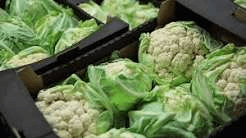
If you have stood in front of an empty produce bin wondering where all the cauliflower went, you are not alone. What looks like a simple stocking problem is usually the result of a supply chain that is genuinely sensitive to weather, geography, and timing.
This article explains why cauliflower shortages happen, which regions drive national supply, how long disruptions tend to last, and what it means for the prices you see at checkout.
Why Cauliflower Supply Is More Fragile Than Most Vegetables
Cauliflower is a cool-weather crop. It needs temperatures to stay within a fairly narrow range — not too hot, not too cold. When conditions shift unexpectedly, the crop reacts quickly and not in a good way.
Heat can cause the heads to mature unevenly. Heavy rain can damage quality. A late frost can reduce yield before harvest even begins. Unlike hardier vegetables that can tolerate some variation, cauliflower is less forgiving when growing conditions go wrong.
Part of what makes shortages frustrating is that the problem is not always a complete crop failure. Sometimes the harvest still happens, but a large portion of what is grown does not meet quality standards for retail shelves. Think of it like a batch of produce that bruises or ripens unevenly — technically harvested, but not sellable in most grocery stores.
This is what some 2026 market reports described: erratic weather reducing quality rather than wiping out the harvest entirely, which leads to tighter supply and fewer good-grade heads reaching consumers. The result at the store level looks the same — less cauliflower, higher prices, or smaller heads than usual.
California’s Dominance Over the U.S. Cauliflower Market
Here is the part of the story that explains why a weather event in one state can feel like a national problem. California grows approximately 90% of the cauliflower produced in the United States.
That level of concentration means there is very little domestic backup. When California’s planting or harvest schedule is disrupted, other U.S. growing regions do not have the capacity to step in and cover the gap quickly.
Think of it as a relay race. California runs most of the race. If something goes wrong during its leg — a frost, excessive rainfall, or a heat event — the next runner has to pick up the pace. But the handoff is rarely clean, and the gap in supply is usually visible to consumers within a relatively short window.
Imports from other countries can help soften the impact. But this option has limits. If other major growing regions are experiencing similar weather conditions at the same time, imports are not enough to compensate. This is exactly what happened during some European supply disruptions, where simultaneous problems in multiple growing regions deepened shortages rather than allowing imports to resolve them.
Regional and Seasonal Patterns Behind Shortage Headlines
Not every shortage headline means the country is running out of cauliflower. Most disruptions are regional and short-lived. They often last weeks rather than months, and conditions can shift surprisingly fast.
A Spain market report documented a shortage expected to last at least one month following reduced supply from growing regions there. A separate UK report noted that cauliflower supplies recovered within a few weeks after weather patterns normalized. These examples show that the window of impact is real but usually limited.
Week-to-week variation is also significant. One mid-July 2026 market report described cauliflower supplies as strong and the market as steady. That was during the same broader period when some outlets were reporting tight supply in other markets. This kind of variation is common in fresh produce and is worth keeping in mind before assuming a shortage is universal.
A consumer in one city may find empty bins while another is seeing full displays at a different retailer. Shortages can vary not just by country or region but by individual market and week. That uneven distribution is part of what makes these supply events feel confusing from a shopper’s perspective.
How Cauliflower Prices React When Supply Drops
When supply tightens, prices tend to move quickly. One 2025 report documented cauliflower price fluctuations of 230%, which illustrates just how reactive this market can be when growing conditions go wrong.
Several forces drive that volatility. The first is straightforward supply and demand — less product available means sellers can charge more. But there is a second factor that has grown in relevance over the past decade: consumer demand for cauliflower has increased, driven largely by its popularity as a low-carb substitute in products like cauliflower rice, cauliflower pizza crust, and similar items. When supply is already under pressure, higher baseline demand amplifies price swings.
Retailers respond in different ways. Some absorb part of the increase to maintain customer loyalty. Others pass the full cost to consumers quickly. This is why prices for cauliflower can look very different from one store to the next during a supply disruption.
Frozen cauliflower products are not entirely insulated from these dynamics either. When raw cauliflower supply tightens, it can affect the availability and pricing of processed and frozen products made from it. Shoppers who stock up on cauliflower rice or frozen cauliflower florets may notice the same supply-driven pressures they see in the produce aisle.
Broccoli Shortages Often Happen at the Same Time
Cauliflower does not tend to experience supply disruptions in isolation. Broccoli, which shares similar growing conditions and relies on many of the same regions, often faces shortages at the same time.
Both are cool-weather cruciferous crops. Both are grown heavily in California and parts of Europe, including Spain. When a frost, heat wave, or heavy rainfall hits a major growing region, it often affects both crops simultaneously.
This matters for consumers because substituting one for the other — a common workaround when one vegetable is scarce — may not be a reliable option during a broad weather-related disruption. Understanding that both crops share the same vulnerabilities helps set realistic expectations when supply headlines cover more than one vegetable at once.
What Consumers Can Realistically Expect
Cauliflower shortages are not a sign that the crop is disappearing. They are a predictable outcome of growing a weather-sensitive vegetable in a geographically concentrated supply chain. The same conditions that triggered past shortages will likely trigger future ones.
For practical planning, a few things are worth keeping in mind:
- Prices will likely normalize after supply recovers. Based on historical patterns, disruptions tend to be temporary. Once growing conditions stabilize or the next harvest comes in, prices tend to come back down.
- Availability may vary significantly by store and region. Checking multiple retailers during a shortage often yields better results than assuming all stores are equally affected.
- Frozen products may be a useful short-term substitute, though they can also tighten during severe supply events.
- Smaller heads or minor cosmetic differences in fresh cauliflower are sometimes a sign of quality pressure rather than a full shortage — supply exists but fewer heads are meeting premium retail standards.
For anyone tracking broader food and business trends, resources like AllBizDaily cover supply chain shifts and market conditions that affect everyday purchasing decisions.
The Bigger Picture
Cauliflower shortages follow a consistent pattern. A narrow temperature window, heavy reliance on California, and rising consumer demand create conditions where a single weather event can produce noticeable disruptions within weeks.
The good news is that these disruptions are typically temporary. Prices spike, availability tightens, and then conditions normalize as weather stabilizes and new harvests come in. Understanding this cycle makes the headline-grabbing price swings easier to interpret — and easier to wait out.
What shoppers see in the produce aisle is not a sign of a broken food system. It is a reminder that fresh produce is still deeply connected to weather, geography, and the natural limits of a growing season.
Read Also:
