


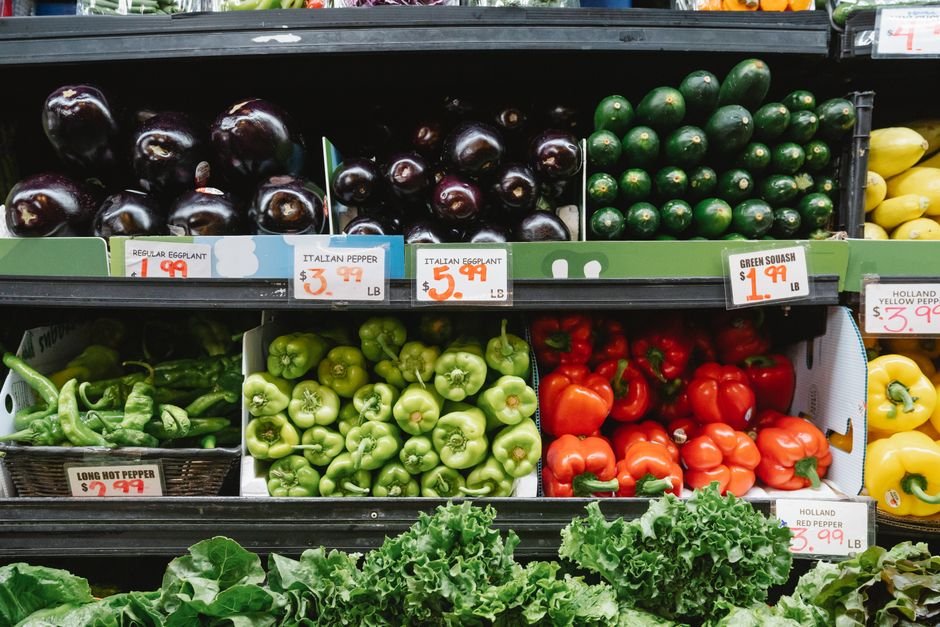
Green bell peppers are one of those vegetables most people expect to find on store shelves without much thought. But recently, shoppers have been noticing something unusual — prices spiking without warning, stock becoming inconsistent, and a once-reliable produce item suddenly harder to count on.
This isn’t a random fluke. There are real, layered reasons behind green pepper shortages. This article breaks down what causes them, how they affect shoppers and businesses differently depending on location, how long these disruptions typically last, and what you can do to work around them.
What Actually Causes a Green Pepper Shortage
There’s rarely one single cause. Green pepper shortages almost always result from several factors hitting at the same time.
Extreme Weather in Key Growing Regions
Florida is one of the most important production zones for green bell peppers in the eastern United States. A hard freeze there can damage crops quickly and reduce harvest volume for several weeks. This kind of weather event doesn’t just hurt one farm — it affects an entire region’s output at once.
According to a supplier update from Markon, a major foodservice produce company, freeze-related supply shortages in Florida led to expected price increases for eastern green bell peppers. The disruption was regional but significant enough to tighten supply noticeably.
Seasonal Transitions
Even without a weather disaster, supply can tighten during seasonal transitions. When one region’s harvest winds down and another hasn’t reached full volume yet, there’s a natural gap in availability.
During these windows, peppers may still technically be on shelves, but the supply is thinner, quality can be inconsistent, and prices tend to climb. It’s not a crisis — it’s just how agricultural calendars work.
Crop Quality Rejections
Not every harvested pepper makes it to market. Disease pressure, pest damage, and weather stress can result in a significant portion of the crop being rejected for quality reasons. When rejection rates go up, usable supply goes down — even if the field itself looked fine before harvest.
Import Dependence and Logistics
Much of the green pepper supply for western U.S. markets comes from Mexico. That’s generally a reliable source, but it also creates vulnerability. Border delays, regional demand shifts, or logistical bottlenecks can all slow the flow of product. The Markon update noted that improved Mexican volume helped shift demand toward western markets, which illustrates how regional dynamics can look very different depending on where you are in the country.
Green Peppers vs. Colored Bell Peppers — Who Gets Hit Harder
A common question during any pepper shortage is whether red, yellow, and orange bell peppers are affected in the same way. The answer depends on what’s causing the disruption.
Green bell peppers are harvested earlier in the plant’s growth cycle than their colored counterparts. This gives them some flexibility in timing, but it doesn’t make them immune to open-field disruptions like freezes. Because green peppers rely more heavily on field production, a regional weather event can affect them more directly.
Colored bell peppers — red, yellow, and orange — tend to rely more on greenhouse and hothouse production. That controlled environment offers some protection against outdoor weather extremes. However, when hothouse production runs into its own seasonal gaps or capacity limits, colored peppers can face supply pressure that green peppers don’t experience in the same way.
The bottom line: neither type is always safer than the other. Which one gets hit harder depends on the specific cause of the disruption at that moment.
How Shortages Show Up at the Store and in Restaurants
In produce terms, a “shortage” almost never means empty shelves. What it usually means is elevated prices, reduced selection, fewer bulk deals, and less promotional activity from retailers.
What Shoppers Notice
You might see fewer display bins of green peppers, higher per-pound prices, or smaller peppers offered at the same price as larger ones used to be. Promotional deals — buy-one-get-one, weekend specials — tend to disappear when supply is tight.
Regional differences also matter. Shoppers in the Eastern U.S. who depend on Florida supply may notice tighter conditions than those in the West, where Mexican supply routes provide more consistent access. The Markon update confirmed that even during freeze-related tightness, green and red bell peppers remained available — but at higher prices reflecting increased demand pressure.
What Restaurants and Food Businesses Do
Food service operations track weekly produce market reports closely. When green pepper prices spike, restaurants typically respond in practical ways: adjusting portion sizes, substituting other vegetables, or temporarily featuring dishes that rely less on fresh peppers.
A chain that uses green peppers heavily in fajitas, omelets, or pizzas might reduce the amount of pepper per portion or use more onions and other vegetables to compensate. These changes are often subtle enough that most customers don’t notice.
Beyond restaurants, food processors and ready-meal manufacturers also feel the pressure. Green peppers are a standard ingredient in salsas, frozen vegetable mixes, and prepared foods. When fresh supply tightens, procurement teams either pay more or look for alternative sourcing quickly.
How Long a Green Pepper Shortage Typically Lasts
Most produce shortages tied to specific weather events or seasonal transitions resolve within a few weeks to a couple of months. The timeline depends on how quickly the affected growing region recovers, whether follow-on weather cooperates, and how fast alternative supply sources can scale up to meet demand.
A freeze in Florida, for example, damages existing crops but doesn’t prevent replanting. Once fields are replanted and new crops reach harvest maturity, supply begins to normalize. The gap is real, but it’s not permanent.
From a longer-term perspective, the global green pepper market is on a stable, modest growth trajectory. Industry analysis from Coherent Market Insights estimates the global market at approximately USD 536.4 million in 2026, with projections reaching USD 633.1 million by 2033 — a compound annual growth rate of about 2.8%. This kind of steady growth indicates that producers are not walking away from the crop and that demand continues to support investment in production.
Short-term disruptions happen. Long-term scarcity is not what the data suggests.
What Consumers and Businesses Can Do Right Now
Whether you’re a home cook or a business owner, there are straightforward ways to manage through a period of tight supply and elevated prices.
For Home Cooks
- Substitute smartly. Poblano peppers, banana peppers, or colored bell peppers (if more reasonably priced that week) can work in most recipes. For dishes where texture matters more than flavor specifics — stir-fries, for example — carrots or celery can fill the role.
- Use frozen or canned options. Frozen pepper strips hold up well in cooked dishes. Canned diced peppers work in soups, stews, and casseroles where fresh texture isn’t critical.
- Check local farmers’ markets. Regional and greenhouse producers may not be affected by the same supply disruption hitting national chains. Local sources can sometimes offer better availability at more stable prices.
- Adjust the recipe. If green peppers are central to a dish, consider scaling back the quantity and increasing complementary ingredients like onions, tomatoes, or spices to maintain flavor depth.
For Food Businesses
- Monitor produce market reports weekly. Services like Markon’s supplier updates provide early warning of regional supply changes before they hit your invoices hard.
- Build menu flexibility. Dishes that can be adjusted based on ingredient availability give operations more room to respond without changing the customer experience significantly.
- Diversify sourcing. If your supply chain leans heavily on one region, explore backup suppliers in different growing areas. The difference between eastern and western U.S. supply dynamics during a Florida freeze is a practical example of why geographic diversification matters.
- Communicate proactively with customers. If a popular menu item changes temporarily, a brief explanation tends to land better than a silent swap.
For broader business context on supply chain management and food industry trends, AllBizDaily covers practical strategies across multiple sectors.
The Bigger Picture
Green pepper shortages are part of a wider pattern of weather-driven volatility in fresh produce. Tomatoes, cucumbers, corn, and limes all face similar disruptions — each triggered by a specific event in a specific growing region, each temporary in most cases.
Climate variability appears to be increasing the frequency of these localized disruptions. Supply chains can adapt, but there’s typically a lag between when conditions improve in the field and when prices normalize at retail. That lag is the uncomfortable window shoppers and businesses have to navigate.
The most important thing to understand is that a green pepper shortage is not a signal of permanent scarcity. It reflects the reality of how fresh produce supply works — regionally dependent, weather-sensitive, and responsive to seasonal cycles that don’t always line up smoothly with consumer demand.
Knowing what drives these disruptions makes it easier to respond sensibly rather than panic-buy or assume the worst. Prices will generally come back down. Supply will stabilize. In the meantime, a few practical adjustments go a long way.
Read Also:
