


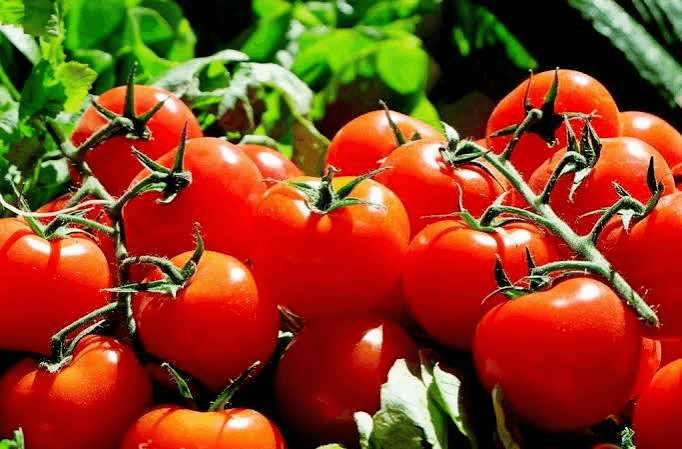
Tomatoes have quietly become one of the most talked-about items on the grocery receipt. By early 2025, U.S. prices hit their highest point in roughly eight years. Canadian shoppers saw costs climb nearly 45% year-over-year. For something as common as a tomato, that kind of shift is hard to ignore at the checkout.
This article breaks down why tomato shortages happen, what is driving current scarcity in North America, how other regions have dealt with similar crises, and what consumers and food businesses can do when supply tightens.
Why Tomato Supply Is More Fragile Than Most People Realize
Tomatoes might feel like a grocery store constant, but their supply chain is surprisingly narrow. A large share of the world’s fresh tomatoes comes from just a handful of regions — Florida, Mexico, Spain, Morocco, and India among them. When one of those regions runs into trouble, the effects show up quickly in stores everywhere else.
The supply chain also runs on tight seasonal windows. There is very little room to absorb sudden disruptions. Think of it like a busy highway: when a major lane closes due to a freeze in Florida or flooding in Mexico, traffic backs up fast. When repairs are made or alternate routes open, flow eventually resumes — but the delay is real in the meantime.
That framing matters. Most tomato shortages are temporary, regional supply imbalances, not permanent global crises. They feel dramatic when they hit, but supply typically stabilizes as new harvests come in or sourcing shifts to other regions.
What Is Actually Causing the 2025–2026 Tomato Shortage in North America
The current shortage in the U.S. and Canada is not the result of one single problem. Several issues landed at the same time, and each made the others worse.
Freeze Damage in Florida
Florida is a primary source of domestic fresh tomatoes during the winter and early spring months. A damaging freeze reduced output significantly heading into spring 2026, cutting off a key slice of domestic supply at the worst possible time.
Weather and Disease in Mexico
Mexico supplies roughly two-thirds of all tomatoes imported into the United States. Heavy rainfall, blight, and other adverse weather conditions hit key Mexican growing regions hard. When that supply line weakens, the impact on U.S. shelves is immediate and significant.
The End of the Tomato Suspension Agreement
This is where trade policy entered the picture. The Tomato Suspension Agreement, which had governed the terms of Mexican tomato imports for years, expired in 2025. In its place, the U.S. imposed a 17% duty on Mexican tomatoes. That tariff raised import costs and reduced the volume flowing into U.S. markets, further tightening supply.
Higher Fuel and Transportation Costs
Energy prices also increased during this period, partly due to pressures in global energy markets. Higher fuel costs mean higher expenses for refrigerated transport and cold storage — costs that work their way into retail prices.
What This Looked Like at the Register
The combined result was striking. U.S. retail tomato prices rose approximately 15% in March 2025 and 23% year-over-year, reaching around $2.25–$2.26 per pound — the highest level in about eight years. Canada saw similar pressure, with prices up roughly 45% compared to the prior year.
For a household that was paying $1.30 to $1.50 per pound, crossing $2.25 in less than a year — sometimes for lower-quality tomatoes — is a noticeable budget shift. Multiple sources described this convergence of weather damage, disease, tariffs, and fuel costs as a “perfect storm” for tomato prices.
How Other Regions Have Faced Similar Crises
North America is not alone in experiencing this. Tomato shortages have disrupted markets on several continents in recent years, each driven by a slightly different mix of causes.
United Kingdom, 2023
British shoppers walked into major supermarkets to find signs limiting purchases to a few packs of tomatoes per customer. The causes were poor growing weather in Spain and North Africa — the UK’s main import sources — combined with high energy costs that made domestic greenhouse production uneconomical.
Brexit was widely blamed in public discussion, but both the UK government and the European Commission attributed the shortage mainly to weather and energy prices. Notably, EU markets did not experience the same level of shortage at the same time, which suggested that trade arrangements were not the primary driver.
India, 2023
India’s tomato crisis that year was severe. Prices surged more than 400%, which is not a typo. Major fast-food chains, including McDonald’s, temporarily removed tomatoes from menu items because prices were too high and supply was inconsistent.
The causes included prolonged heat waves, heavy rainfall, seed-borne viruses, and a market dynamic where farmers had discarded earlier crops when prices were low — leaving less supply available when the crop failures hit. Experts linked the severity to climate change, with yields falling roughly 70% in the worst-affected areas. Analysts expected stabilization within weeks once the next crop cycle came in.
Nigeria — An Ongoing Challenge
Nigeria’s tomato situation reflects a different set of pressures. A destructive pest known as Tuta absoluta — sometimes called “Tomato Ebola” locally — has devastated crops in farming regions. Climate stress, high input costs, and insecurity in agricultural areas have compounded the problem.
Nigeria’s case is a useful reminder that tomato shortages are not always caused by weather alone. Pest infestations, economic conditions, and infrastructure challenges can be just as damaging, and they tend to be harder to resolve quickly.
What Consumers and Food Businesses Can Do
When fresh tomato prices spike or quality drops, there are practical ways to adjust without dramatically changing how you cook or run a kitchen.
Switch to Canned or Processed Tomatoes
Canned tomatoes, crushed tomatoes, and tomato paste are processed during peak harvest seasons when supply is abundant and prices are lower. They are often more price-stable than fresh tomatoes and work well in sauces, stews, soups, and braises. Canned products do not face the same supply pressures as fresh tomatoes in most cases.
Adjust Your Recipes
Plenty of dishes that typically rely on fresh tomatoes can be adapted. Roasted red peppers, tamarind, vinegar-based sauces, or combinations of other vegetables can provide acidity and body in cooked dishes. This is especially relevant for restaurants and food service operations managing tight ingredient budgets.
Be Selective About Quality
When supply is tight, distributors sometimes move lower-grade tomatoes into the retail chain. It is worth inspecting what is on the shelf rather than purchasing by habit. Firm tomatoes with no soft spots or blemishes will hold up better and waste less.
Consider Growing Your Own
Tomatoes grow well in containers, raised beds, and small garden spaces, making them a realistic option for home growers in most climates during the warmer months. Even a few plants can reduce dependence on retail supply during peak shortage periods. This approach will not solve a household’s entire tomato needs, but it adds a meaningful buffer.
For a broader look at food supply trends and business strategy in shifting markets, AllBizDaily covers practical insights across industries navigating supply chain and pricing challenges.
What the Longer-Term Picture Looks Like
The tomato shortage of 2025–2026 will not last forever. Shortages of this kind typically resolve as new growing seasons begin, supply sources diversify, and market conditions adjust. That said, the underlying vulnerabilities are real, and they are worth understanding.
Climate variability is making growing conditions less predictable across most of the world’s major tomato-producing regions. Trade policy shifts, energy costs, and pest pressures add additional layers of risk. Agricultural analysts tracking the 2026 global tomato market have noted a significant deficit tied to weather anomalies — droughts, heavy rainfall, and sharp temperature swings — reducing yields across multiple regions simultaneously.
The response, at a structural level, involves several threads: developing climate-resilient tomato varieties, expanding greenhouse and controlled-environment agriculture to reduce weather exposure, improving pest management systems, and diversifying sourcing so that disruption in one region does not cascade into a broader shortage.
For consumers, the most useful takeaway is probably this: tomato prices and availability will continue to fluctuate, sometimes sharply. Having flexible cooking habits and knowing your substitution options makes those fluctuations much easier to manage.
The Bottom Line
The tomato shortage affecting North America in 2025 and into 2026 is the result of several problems arriving at once — freeze damage in Florida, weather and disease in Mexico, new import tariffs, and rising fuel costs. Each factor alone would have been manageable. Together, they pushed prices to an eight-year high and left shelves short in many markets.
Similar disruptions have played out in the UK, India, and Nigeria in recent years, each with its own local causes but a recognizable pattern: concentrated production, seasonal vulnerability, and exposure to weather and trade shocks.
The good news is that these are not permanent conditions. Tomato supply tends to recover, and consumers who understand the dynamics are better positioned to adapt when shortages hit. Knowing when to switch to canned tomatoes, how to inspect quality under supply pressure, and what alternatives work in the kitchen are all practical skills with real value in an unpredictable market.
Read Also:
