


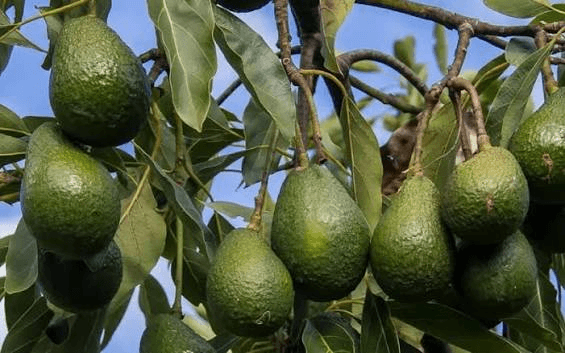
Avocados are among the most traded fresh fruits in the world. Yet their supply can tighten quickly — and when it does, prices climb fast and retail shelves reflect it almost immediately.
This article breaks down why avocado shortages happen, which countries and conditions drive them, how shortages ripple through the supply chain, and whether this pattern is likely to continue.
Why Avocado Supply Is More Fragile Than It Looks
Shortages do not happen at random. They follow predictable patterns tied to geography, climate, and how concentrated global supply actually is.
Global demand for avocados has grown significantly over the past two decades. But shortages are almost always supply-driven events. The problem is rarely that too many people want guacamole — it is that the fruit was not produced, exported, or delivered in sufficient volume to meet normal demand.
A large share of the world’s avocado supply comes from a small number of countries. Mexico holds an outsized role. When output from that single source contracts, the effects ripple across multiple markets simultaneously.
Think of it like a water tap with several valves. If one major valve closes, pressure and cost rise across the entire system — even if the other valves are still open. The same logic applies to avocado supply. Other producers like Peru and California can partially compensate, but rarely at the same price or volume.
It is also worth clarifying what “shortage” actually means in this market. It usually does not mean zero avocados in the ground. It means a shortfall in export-grade fruit — the right size, quality, and ripeness window to survive transit and meet retail standards. That distinction matters when interpreting headlines.
The Main Causes Behind a Reduced Harvest
Several factors can shrink usable avocado supply, and they often hit at the same time.
Weather and Drought
Weather is consistently the most significant driver of supply crunches. Drought in California was a documented contributor to a severe shortage, reducing both yield and fruit quality. Avocado trees are sensitive to water stress, and when growing conditions deteriorate, the volume of export-ready fruit drops sharply.
Labor Disruptions
Production problems do not always start in the soil. A growers strike in Mexico directly reduced supply volume and contributed to elevated prices during an already tight period. When harvest labor is unavailable or disrupted, even a healthy crop may not make it to export.
Biennial Bearing Cycles
Avocado trees naturally alternate between strong and light harvests. A productive year is often followed by a lighter one — a built-in variable that markets must absorb. This cycle alone does not cause a crisis, but it creates predictable windows of tighter supply that other pressures can amplify.
Compliance and Regulatory Failures
Usable supply can also shrink due to regulatory breakdowns. In Kenya, export certificates were issued during an active avocado export ban, totaling approximately US$38.8 million in value. This led to non-compliance issues and quality concerns, reducing the amount of fruit that could be reliably moved through legitimate channels. The case illustrates that fruit can exist in the ground while still being effectively unavailable to the market.
Sustainability Standards
A newer pressure on supply involves environmental compliance. As of January 2026, Mexican avocado industry groups announced that avocados grown on illegally deforested land will no longer qualify for export. Land deforested from 2025 onward will never meet the standard. This signals that sourcing restrictions tied to land use are becoming part of the supply equation going forward.
How Shortages Move Through the Supply Chain
A shortage does not only affect shoppers at the grocery store. It creates pressure across the entire chain from farm to table.
Retailers and Wholesalers
When supply from Mexico or California tightens, grocery retailers typically face higher wholesale prices, smaller shipment volumes, and fewer opportunities to run promotional pricing. Avocados are a high-visibility item in produce sections, so pricing changes are noticed quickly by consumers.
Food Service Operators
Restaurants, hotel kitchens, and prepared-food producers feel the pressure differently. Menu items that depend on consistent avocado availability — from salads to specialty dishes — become harder to price and plan. Some operators reduce portion sizes or temporarily adjust menus when pricing becomes too unpredictable.
Importers Sourcing Alternatives
When a primary supply source tightens, importers often turn to alternate regions to fill the gap. That fruit may be less consistent in size, ripeness timing, or shelf life. Alternative suppliers filling gaps at the edge of their capacity are less likely to deliver the uniformity that premium retail buyers expect.
What Consumers Actually Notice
For most shoppers, a shortage rarely means empty shelves. It more often shows up as higher prices, firmer fruit shipped early to extend shelf life, or inconsistent ripening after purchase. Those are real inconveniences, but they reflect a market under strain rather than a complete supply collapse.
Regional vs. Global — What “Shortage” Actually Means
Not every reported avocado shortage is a worldwide crisis. It helps to understand the difference between a regional disruption and a broader market problem.
A shortage in one country does not automatically mean a global shortage. But because avocado supply is concentrated in a small number of regions, a disruption in Mexico or California carries outsized pricing effects in markets far from the source. The concentration of supply is what amplifies local problems into international price movements.
Seasonal timing also matters. Shortages during one hemisphere’s harvest window can ease once another region’s crop comes online. However, that relief does not always arrive at the same price or quality tier. Buyers filling gaps with secondary-market fruit often pay more and accept greater variability.
Reporting from different countries may describe different problems. A market disruption in Kenya tied to export compliance is a different issue from a drought-driven supply crunch in California, even if both show up in news headlines under the same general label of “avocado shortage.”
For business readers tracking commodity exposure, the practical takeaway is straightforward: watch the source, not just the headline. Identifying which producing region is affected, and why, will give a clearer picture of whether a shortage is temporary or likely to extend across multiple supply cycles.
Resources like AllBizDaily cover commodity and supply chain developments that affect business operations across a range of industries.
Is This Pattern Likely to Continue?
The short answer is yes — at least in part.
Some causes of avocado shortages are temporary shocks. A strike ends. A drought breaks. A compliance issue gets resolved. These are recoverable events, and supply typically normalizes within a season or two.
Other pressures are more structural. Water stress in major growing regions is not a problem that resolves quickly. Dependence on a small number of producing countries means that any disruption in those countries has amplified effects elsewhere. And as export standards around deforestation and land use tighten, the pool of fully compliant, export-eligible supply may face additional constraints.
That does not mean avocados will become permanently scarce. It does mean that the supply system has limited margin for error, and when multiple pressures arrive at the same time — weather, labor, and compliance issues together — the market will continue to respond with price spikes and availability gaps.
Key Takeaways
- Avocado shortages are almost always supply-driven, not simply the result of rising demand.
- Mexico is the dominant global supplier, so disruptions there have outsized effects on pricing worldwide.
- Weather, labor strikes, natural crop cycles, and compliance failures can all reduce usable supply simultaneously.
- A “shortage” usually means less export-grade fruit, not zero avocados in the ground.
- Downstream effects include higher wholesale prices, inconsistent quality from alternative sources, and food service menu pressure.
- Some causes are temporary; structural pressures like water stress and tightening export standards are longer-term variables.
Understanding the mechanics behind an avocado shortage helps businesses, buyers, and consumers make better decisions when supply tightens. The pattern is largely predictable once you know which variables to watch.
Read Also:
