


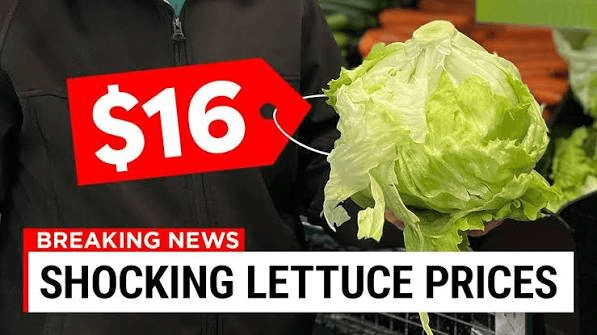
A few winters ago, shoppers in the UK walked into supermarkets and found themselves limited to two heads of iceberg lettuce per visit. It wasn’t panic buying. No one was hoarding salad. The problem was bad weather in southern Europe, and it had quietly disrupted supply for an entire region.
Lettuce shortages happen more often than most people realize — and they’re more complicated than a single bad harvest. This article explains why they happen, which types of lettuce are most at risk, how shortages show up in stores and restaurants, what the near-term outlook looks like, and what you can actually do when supply gets tight.
What a Lettuce Shortage Actually Looks Like
The word “shortage” can be misleading. Most lettuce shortages aren’t a case of lettuce simply disappearing from the planet. What you’re more likely to see is a combination of shelf gaps on specific varieties, smaller or lower-quality heads, higher prices, and sometimes retailers limiting how many units you can buy.
Iceberg and romaine tend to go first. Spring mix, arugula, and specialty greens often remain on shelves because they come from different supply chains. So the experience for a consumer might be: “I can’t find a decent head of iceberg anywhere, but the bagged spinach is fine.”
Shortages are also almost always regional and seasonal. A weather event in Spain in January affects UK and northern European stores, but not necessarily grocery stores in Australia or South America at the same time. Most supply disruptions last weeks to a few months — not years.
The Main Reasons Lettuce Supply Runs Short
There’s rarely just one cause. Lettuce shortages usually result from several problems overlapping at the same time.
Weather Is the Most Common Trigger
Droughts, floods, heatwaves, and cold snaps all reduce the share of lettuce heads that are actually worth selling. High temperatures cause a condition called tip burn, where leaf edges turn brown. Heat also causes lettuce to bolt — meaning it flowers and turns bitter too quickly. Excess rain or humidity promotes rot and fungal disease.
When these conditions hit a major growing region, the number of marketable heads drops sharply. That reduction shows up as higher prices and thinner availability within days.
Geographic Concentration Amplifies the Problem
Lettuce production is heavily concentrated in a small number of regions. In Europe, countries like Spain and Italy supply most of northern Europe’s winter vegetables. In the US, California and Arizona dominate the growing calendar. When one of those regions has a bad season, the effects ripple outward across an entire continent’s supply chain.
Think of it like a highway. When the main route is blocked by a storm or heatwave, all the traffic slows down — even if minor side roads still exist. There’s simply no quick replacement for the volume that major regions provide.
Labor and Input Costs Add Pressure
Beyond weather, lettuce farming faces real cost pressure from labor and logistics. Growers who rely on guest worker programs report that those programs have become more expensive and administratively complex. That raises production costs and can reduce the acreage that growers are willing to plant.
Fertilizer, energy, and transportation costs have also remained elevated. Industry sources note that these factors push grocery prices higher regardless of what’s happening with the weather. A heatwave and a fuel cost spike in the same season can hit hard at the same time.
Plant Disease and Pests
Fungal and bacterial outbreaks reduce usable yields in ways that don’t always make headline news. Romaine, for example, has faced price escalation tied in part to disease reducing available supply. When disease compounds an already weather-stressed crop, the losses compound quickly.
Why Iceberg Lettuce Is Hit the Hardest
Iceberg dominates shortage headlines for a few specific reasons. First, it’s structurally more vulnerable than most other greens. It’s sensitive to heat, excess moisture, cold snaps, and frost — all of which shrink the proportion of heads that meet market standards.
Second, iceberg is typically grown in large monocultures. That means a single regional weather event can wipe out a significant share of supply all at once. A diversified farm growing twelve different crops loses a portion of its output; a monoculture iceberg operation in a drought zone loses most of it.
Third, iceberg is deeply embedded in high-volume commercial supply chains. Fast food chains, sandwich shops, salad kit manufacturers, and burger restaurants all depend on consistent iceberg supply. When yields drop, buyers reject lower-quality heads, which further shrinks effective supply even from the same acreage. The result is that disruptions become visible very quickly at scale.
Industry concern about iceberg has been significant enough that some European trade publications raised the provocative question “No more iceberg lettuce in 2026?” to highlight serious production concerns. That wasn’t a literal prediction of total disappearance — but it reflected genuine anxiety in the supply chain about repeated weather-related disruptions and ongoing drought conditions.
How Shortages Affect Restaurants and Food Service
Food service buyers typically feel price increases and limited availability before retail consumers do. A restaurant’s purchasing manager notices the cost spike on a Monday; the average shopper notices the shelf gap by the weekend.
Common industry responses include switching to cabbage, kale, or spring mix as a substitute, reducing portion sizes, or temporarily replacing iceberg with a lower-cost blend. Some operations raise menu prices or quietly reduce the size of side salads. Lettuce-heavy segments — fast food burgers, tacos, salad bars — are particularly exposed to iceberg and romaine volatility.
When a wholesaler reports “strong demand and rising prices” during a heatwave, that pressure flows downstream quickly. A burger chain seeing its lettuce costs double in a few weeks has limited options: absorb the cost, adjust the product, or pass it on to customers.
What the Outlook Looks Like
Early 2026 market reports described very tight iceberg lettuce supplies and quality problems tied to erratic weather. Ongoing drought conditions in key growing regions were expected to continue into at least spring 2026. That doesn’t mean iceberg will vanish from shelves, but it does suggest continued price pressure and intermittent availability issues through that period.
Lettuce shortages fit into a broader pattern affecting multiple produce categories. Items like romaine hearts, cilantro, and various other vegetables have faced similar weather-driven supply issues. For business owners and buyers in the food sector, this pattern is worth monitoring — not as a crisis, but as a recurring operating condition.
For practical coverage of how supply chain disruptions affect businesses across categories, AllBizDaily tracks developments relevant to business operators and consumers alike.
What Consumers Can Do When Lettuce Is Scarce or Expensive
A shortage usually means you need a substitute — not that salad is off the table entirely.
Practical Substitutes
- Shredded cabbage or coleslaw mix — works well in tacos, sandwiches, and burgers. Add lime juice and a pinch of salt for a similar crunch and freshness.
- Spinach or arugula — works in most salads where romaine or iceberg would be used. Spinach is mild; arugula is peppery.
- Spring mix or mixed greens — often available even when iceberg and romaine are limited, since they come through different supply chains.
- Kale — hardier and more drought-resistant than iceberg, so it’s typically less affected by the same weather events.
Buying Local and Seasonal
Local greenhouse or hydroponic growers can sometimes buffer against import disruptions. When Spanish or Californian supply is tight, a regional grower operating in a climate-controlled environment may still have consistent product. It’s worth checking farmers’ markets or local produce suppliers during shortage periods.
Growing Your Own
Lettuce is one of the easier vegetables to grow at home. It grows quickly, tolerates cool weather, and works well in pots or small raised beds. “Cut and come again” varieties like loose-leaf lettuce allow multiple harvests from a single planting.
Heat and drought are still limiting factors for home growers. But on a small scale, you have more control — shade cloth, consistent watering, and succession planting (starting new batches every two to three weeks) can extend your harvest considerably. It won’t replace a full supermarket supply, but it provides a reliable supplement when prices spike.
How to Read Lettuce Shortage Headlines
Not every alarming headline reflects the full picture. Provocative titles like “No more iceberg lettuce in 2026?” or “Items you won’t find at the grocery store this year” are often written to attract attention. The underlying concern may be real, but the framing tends toward the dramatic.
When you see a shortage headline, it helps to ask a few basic questions: Which region is actually affected? Is this a matter of weeks or months? What’s the specific cause — weather, disease, a corporate product discontinuation? The answers usually reveal a situation that’s more manageable than the headline suggests.
Lettuce shortages are real, recurring, and worth understanding — but they’re also temporary and regional by nature. The practical response is straightforward: know your substitutes, pay attention to what’s actually on shelves, and don’t mistake a tight supply window for a permanent change.
Read Also:
