


Shoppers across the U.S. have walked down the salad aisle only to find bare shelves where packaged baby arugula used to be. The explanation is not simple — it involves unusual weather, a fast-spreading fungal disease, and a supply chain with very little backup when something goes wrong.
This article breaks down why arugula shortages happen, how long they tend to last, what they mean for prices and restaurants, and which greens make practical replacements in the meantime.
Why Arugula Disappears From Store Shelves
Arugula — also called rocket — is a peppery leafy green used in salads, on pizzas, in sandwiches, and as a garnish. It is valued for its bold flavor and its nutritional profile, which includes vitamins A, C, and K, plus folate.
The U.S. depends heavily on the Southwest — especially Yuma, Arizona — for winter leafy green production, and arugula is no exception. Large wholesale growers in that region process and ship bagged baby arugula to retailers nationwide. When something disrupts production there, stores from New York to San Francisco feel it quickly.
The problem is that during winter months, very few alternative growing regions can step in. That concentrated supply chain leaves almost no margin for error. One bad season in Yuma, and shelves go empty across the country.
The Weather and Disease Combination That Triggers Shortages
The Southwest is normally dry in winter, which makes it ideal for growing leafy greens. But when rainfall runs higher than usual and temperatures drop, something changes in the fields: leaves stay wet for extended periods.
That prolonged moisture creates the perfect environment for downy mildew, a fungal disease that spreads rapidly under cool, damp conditions. It causes visible yellow spotting on leaves and makes crops unmarketable. Growers are left either destroying affected plants or harvesting significantly reduced yields.
Both outcomes cut off the supply pipeline. Distributors cannot fulfill standing orders, and retailers end up with empty shelves or extremely limited stock.
One wholesale supplier described a documented shortage as the most severe arugula shortage in nearly three decades. Reporting from ABC News, Yahoo Lifestyle, Quartz, and The Counter all point to this same weather-plus-mildew pattern as the primary driver.
It is worth clarifying that downy mildew is a crop quality and yield problem — not a food safety issue. Arugula affected by mildew is unmarketable, but it does not pose a health risk to consumers who happen to find it on shelves.
How Long an Arugula Shortage Typically Lasts
The good news is that arugula grows relatively fast. Industry sources quoted in Yahoo News estimated that once weather stabilizes and disease pressure eases, new crop cycles can come in within roughly two to three weeks.
Shortages documented in the U.S. have been episodic and short-term. They are not multi-year crises. Each individual episode tends to resolve within weeks, as long as conditions in the growing regions improve.
That said, recovery is not guaranteed on a fixed schedule. If cold and wet weather persists, delays extend. Some retailers and regions also restock faster than others, so availability can vary depending on where you shop.
The longer-term concern is frequency. If extreme weather patterns continue — as some reporting links to broader climate trends — these short-term shortages could become more common, even if each one resolves relatively quickly. Consumers may see more seasonal variability in arugula availability going forward.
What Happens to Prices and Restaurant Menus During a Shortage
When supply drops sharply and demand stays steady, prices rise. During peak shortage periods, consumers either find no arugula at all or encounter smaller, more expensive packaged options. Wholesale suppliers report difficulty fulfilling the regular orders that restaurants and grocery distributors depend on.
Restaurants that feature arugula as a staple — on signature pizzas, in salads, as a finishing garnish — face a straightforward problem: they either adapt or remove the item from the menu temporarily.
A practical example: a restaurant known for an arugula and prosciutto pizza may switch to baby kale or spinach, noting the substitution on the menu. It is a minor change for the kitchen but a visible sign of how a regional growing disruption reaches the dining table.
Price increases during a shortage tend to be temporary. Once supply normalizes, prices generally return to prior levels. Arugula shortages are not known to cause permanent price shifts — they reflect short-term market tightness, not a structural change in production economics.
The Best Substitutes for Arugula Right Now
If you cannot find arugula at your local store, several greens can fill the gap, depending on how you plan to use it.
For Salads
- Watercress: Peppery and slightly bitter, it is the closest flavor match to arugula in raw form.
- Mustard greens: Bold and sharp — good if you like arugula’s bite. Younger, smaller leaves work best.
- Mizuna: A Japanese mustard green with a mild peppery note and a feathery texture that works well in salads.
- Baby kale: Milder than arugula, but it holds up well in dressed salads. A sharper vinaigrette can compensate for the flavor difference.
- Spinach: The mildest option on this list. Pair it with a lemon or red wine vinaigrette to add brightness.
For Cooked Dishes
Arugula is often added to pizza after baking or stirred into warm pasta. In those applications, baby kale or spinach works well as a direct swap — both wilt similarly and add a pleasant green note without overpowering other flavors.
If you have access to a farmers market, it is worth checking for regional varieties that may not be affected by the same supply disruptions. Local growers operating in different climates can sometimes offer options that large national distributors cannot.
The Bigger Picture: Climate, Crop Diversity, and Supply Chain Resilience
The arugula shortage is a useful illustration of how fragile concentrated supply chains can be. A single growing region serves an entire country. When that region experiences unusual weather, there is no built-in backup.
Some reporting — including coverage from Yahoo Lifestyle and Quartz — suggests that higher-than-normal rainfall driving these mildew outbreaks may be connected to broader climate variability. That connection is not definitively established for every episode, but the pattern is worth noting: as weather extremes become more common, so do the conditions that trigger crop disruptions.
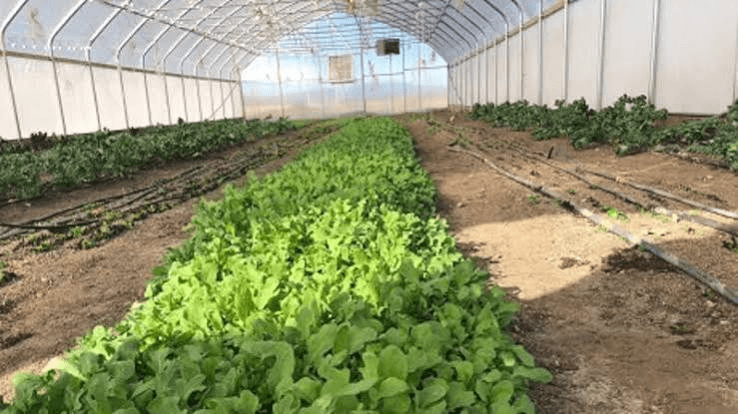
For producers, the long-term response may involve developing more disease-resistant arugula varieties, expanding growing regions across different climates, or investing in controlled-environment agriculture such as greenhouses. These changes take time and capital, but they reduce dependence on a single region and a single season.
For consumers, the practical takeaway is to expect more seasonal variability in sensitive crops like arugula. Watching local produce updates and staying flexible with green choices can reduce frustration when a shortage hits.
Coverage of business and supply chain topics like this is regularly tracked by resources like AllBizDaily, which follows how market disruptions affect everyday purchasing decisions.
How to Read Arugula Shortage Headlines
Media coverage of produce shortages can sound alarming, but context matters. When a report says there is a “national arugula shortage,” it typically means supply is significantly reduced for a limited period in specific growing windows — not that arugula has disappeared permanently.
The difference between short-term market tightness and true long-term scarcity is important. Arugula shortages documented in the U.S. have all resolved within weeks once weather and disease conditions improved. There is no regulatory action or ban driving these shortages — they are straightforward supply chain disruptions tied to weather and biology.
A useful comparison: romaine lettuce has experienced its own periodic shortages tied to weather events and contamination concerns. The arugula situation follows a similar pattern — concentrated growing regions, weather-sensitive crops, and temporary but highly visible gaps on grocery shelves.
The Bottom Line
Arugula shortages happen when unusual weather in key growing regions — particularly the Southwest — creates the conditions for downy mildew to spread and destroy crops. The supply chain has little flexibility to absorb those losses, so the effects show up quickly on store shelves and restaurant menus nationwide.
The good news is that these shortages are temporary. Arugula grows quickly, and once conditions stabilize, supply tends to recover within a few weeks. Prices follow the same pattern — elevated during the shortage, then returning to normal as stock rebuilds.
In the meantime, watercress, mustard greens, mizuna, baby kale, and spinach are all practical alternatives that cover most of what arugula does in both raw and cooked dishes. Staying flexible and knowing why the shortage is happening makes it easier to adapt without much disruption to your regular meals.
Read Also:
